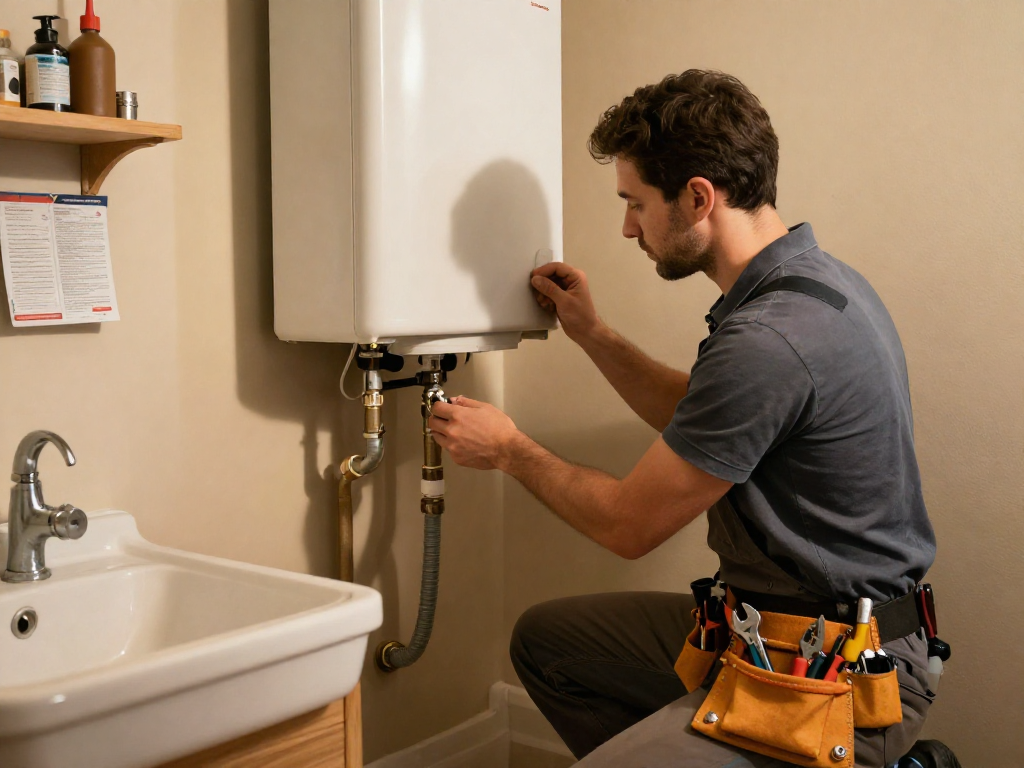
Understanding Water Heater Systems and Their Importance
Water heaters are a vital component of any home's plumbing system, providing comfort and convenience through hot water for showers, dishwashing, and laundry. Understanding the different types of water heaters, their common issues, and the importance of regular maintenance can help homeowners in Fort Worth ensure their systems run efficiently. For reliable solutions in this area, water heater repair Fort Worth offers invaluable services to address your plumbing needs.
What Types of Water Heaters Are Available?
There are several types of water heaters available, each designed to meet specific home needs:
- Tank Water Heaters: These traditional systems store and heat a significant amount of water, typically between 20 to 80 gallons, which is then available on demand.
- Tankless Water Heaters: Also known as on-demand water heaters, they heat water directly without the use of a storage tank, providing endless hot water while saving energy.
- Heat Pump Water Heaters: These innovative systems use electricity to transfer heat from the air or ground to heat water, making them highly energy-efficient.
- Solar Water Heaters: Utilizing the sun’s energy, these systems can significantly reduce reliance on conventional power sources, although they are usually supplemented with traditional systems for cloudy days.
Common Issues and Symptoms of a Failing Water Heater
Homeowners should be aware of the common signs indicating a failing water heater:
- No Hot Water: A clear indicator that something is wrong, often pointing to issues with the heating elements or thermostat.
- Strange Noises: Rumbling, popping, or hissing sounds may suggest sediment buildup or other mechanical issues.
- Water Leaks: Leaks around the water heater can signify cracks or corrosion and should be addressed immediately.
- Discolored Water: Rusty or cloudy water may indicate corrosion within the tank.
The Role of Water Heater Maintenance for Longevity
Regular maintenance is crucial for prolonging the life of your water heater. Flushing the tank annually to remove sediment buildup, inspecting the anode rod, and checking the pressure relief valve are essential tasks. Moreover, routine maintenance not only increases efficiency but also helps avoid unexpected breakdowns.
DIY Water Heater Troubleshooting Tips
Owning a water heater carries the responsibility of ensuring it operates correctly, and sometimes this involves troubleshooting issues independently. Here are some steps to guide you:
Step-by-Step Guide to Diagnosing Water Heater Problems
Finding the root of your water heater issues can be straightforward. Start with the basics—check the power source or gas supply, ensure the thermostat settings are correct, and look for any visible leaks. If these basic checks do not resolve the problem, deeper diagnostics may be necessary.
Tools You Need for Effective Water Heater Repair
Equipping yourself with the right tools is fundamental when tackling water heater issues. Essential tools include:
- Wrenches: For tightening or loosening connections.
- Multimeter: To measure electrical current and diagnose electrical problems.
- Drain pan: To catch water when flushing the tank.
- Pliers and screwdrivers: Useful for various components and fittings.
When to Call a Professional: Identifying Complex Issues
While many issues can be resolved by the homeowner, complex problems like electrical failures, major leaks, or gas line issues should be handled by licensed professionals. Knowing your limits will help prevent accidents and costly mistakes.
Choosing the Right Plumbing Services in Fort Worth
Finding a reliable plumbing service is essential for effective water heater repairs. Here are vital considerations:
What to Look for in a Qualified Water Heater Repair Technician
When selecting a technician, prioritize experience, licensing, and customer reviews. A technician with a solid reputation will provide peace of mind, ensuring that your water heater is in capable hands.
Comparing Local Plumbing Services: Pricing and Reviews
Cost can vary significantly among local plumbing services. It's beneficial to get multiple quotes and check online reviews to weigh pricing against the quality of service offered. Always inquire about warranties on repairs to ensure long-term satisfaction.
Frequently Asked Questions About Water Heater Services
Many homeowners have questions about their water heaters. Here are a few common inquiries:
- How often should I flush my water heater? Annually is recommended to maintain efficiency.
- What size water heater do I need? Size depends on the number of occupants and usage habits.
- Can I repair my water heater myself? Some minor repairs are feasible, but it's best to call a professional for complex issues.
Preventive Measures for Efficient Water Heater Operation
Preventive measures can save homeowners from costly repairs and replacements. Here are best practices for maintaining an efficient water heater:
Best Practices for Water Heater Maintenance
Regular maintenance steps include:
- Flushing the tank to remove sediment.
- Inspecting and replacing the anode rod.
- Checking and adjusting the temperature settings.
- Examining the pressure relief valve.
The Benefits of Regular Inspections and Tune-Ups
Regular inspections can help identify potential issues before they escalate into significant problems. Scheduling semi-annual or annual check-ups can dramatically extend the lifespan of your water heater.
Energy Efficiency Tips for Water Heater Usage
To improve energy efficiency, consider these tips:
- Lower the thermostat to 120°F.
- Insulate the water heater and pipes.
- Use cold water for laundry when possible.
- Install low-flow fixtures to reduce hot water use.
Future Trends in Water Heater Technology and Repair Practices
The water heater industry is constantly evolving, influenced by technological advancements and regulatory changes. Here are some anticipated trends:
Emerging Technologies in Water Heating Systems
Future water heating systems may include more smart technology, allowing homeowners to manage their hot water systems from mobile devices. Innovations such as demand-controlled heating and advanced monitoring systems promise greater efficiency and convenience.
Anticipated Changes in Plumbing Regulations for 2026
As regulations become stricter regarding energy efficiency, homeowners should prepare for updated codes that may require transitioning to more energy-efficient models, particularly in residential properties.
How to Prepare for Future Water Heater Needs
Considering future needs entails assessing your current systems and exploring new technologies that align with energy-saving trends. Staying informed on regulations and product innovations will allow for timely upgrades.
What Are the Signs It’s Time for a New Water Heater?
After 10-15 years of service, a water heater may start showing signs that replacement is necessary. Indicators include:
- Frequent repairs.
- Increasing utility bills.
- Inconsistent heating performance.
- Rusty water.